
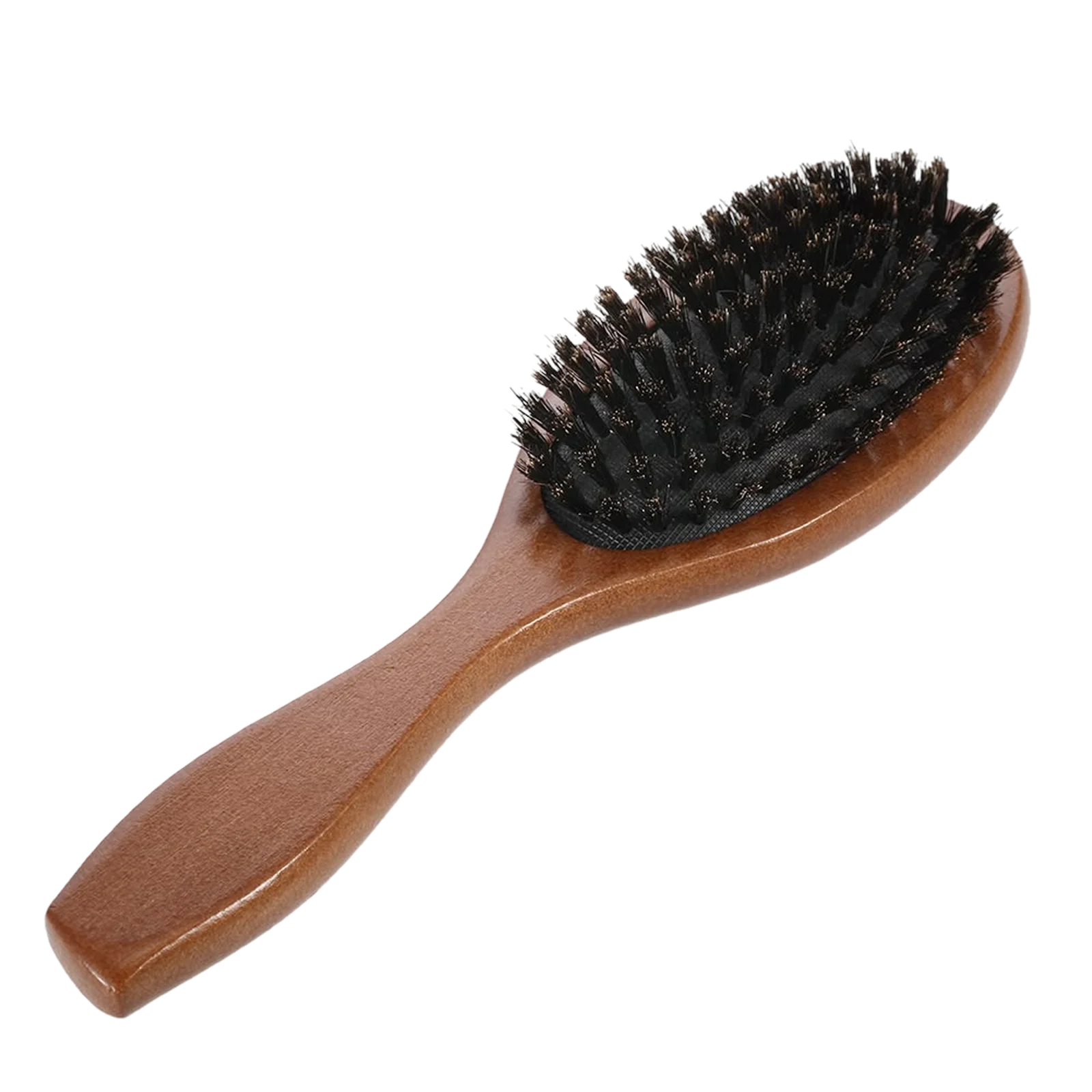
Hairbrush
nature required
Hairbrush
nature required
1,000+ of organisms
Thousands of plant species, fungi, microbes, insects, soil animals, aquatic animals, birds and mammals help sustain the landscapes and ecosystems that make this hairbrush possible.
plants: timber trees, understory plants, tropical source trees, wetland plants, freshwater algae and soil-building groundcover
purpose: plants turn sunlight, water and soil nutrients into living growth.
fungi: mycorrhizal fungi, wood-decay fungi, tropical mycorrhizae, decomposer fungi, soil fungi and yeasts
purpose: fungi help plant roots absorb water and nutrients and break down dead matter.
microorganisms: root-associated bacteria, nutrient-cycling archaea, decomposer microbes, freshwater bacteria, protozoa and microscopic algae
purpose: microorganisms break down organic matter and recycle nutrients.
insects: forest pollinators, decomposer beetles, tropical pollinators, decomposer insects, aquatic insect larvae and soil-dwelling insects
purpose: insects pollinate plants, recycle organic matter and control pests.
soil animals: earthworms, springtails, mites and nematodes
purpose: soil animals mix and aerate soil and break down organic matter.
aquatic animals: fish, frogs, salamanders and freshwater reptiles
purpose: aquatic animals move nutrients through freshwater food webs and regulate insect and algae populations.
birds: woodpeckers, insect-eating songbirds and seed-dispersing birds
purpose: birds disperse seeds, pollinate plants and control insects.
mammals: bats, forest rodents and deer
purpose: mammals disperse seeds, pollinate plants and shape vegetation through grazing and browsing.
plants: timber trees, understory plants, tropical source trees, wetland plants, freshwater algae and soil-building groundcover
purpose: plants turn sunlight, water and soil nutrients into living growth.
3 landscapes
Three different landscapes make this hairbrush possible. We are constantly taking in nature in our everyday items.
forests: provides timber used in wooden-handle versions.
tropical forests: provides natural rubber used in some brush cushions.
freshwater systems: provides water used in wood, resin, rubber and assembly processes.
forests: provides timber used in wooden-handle versions.